Deerproof Your Hydrangeas: Ways To Keep These Beautiful Blooms Safe From Deer
DeerProof Your Hydrangeas: Ways to Keep These Beautiful Blooms Safe from Deer
Hydrangeas are beautiful flowering shrubs that can add a touch of elegance to any garden. However, they can also be a target for deer, who love to eat their leaves and flowers. If you live in an area with a deer population, you'll need to take steps to deerproof your hydrangeas if you want to keep them looking their best.
There are a number of ways to deerproof hydrangeas. Some of the most effective methods include:
- Physical barriers. This is the most effective way to keep deer away from your hydrangeas. You can use a variety of physical barriers, such as deer netting, chicken wire, or fencing. Deer netting is a lightweight, mesh material that is specifically designed to keep deer out. Chicken wire is another option, but it is more difficult to see through, which can make your garden look less attractive. Fencing is the most permanent option, but it can also be the most expensive.
- Deer repellents. There are a number of commercial deer repellents available. These repellents typically contain strong smells or tastes that deer find unpleasant. However, deer repellents can be expensive and they may not be effective all the time.
- Planting deer-resistant plants. There are a number of plants that deer don't like to eat. By planting these plants around your hydrangeas, you can create a barrier that will deter deer from approaching. Some good deer-resistant plants include lavender, boxwood, and daffodils.
- Changing your watering habits. Deer are more likely to eat hydrangeas that are stressed or thirsty. By watering your hydrangeas regularly, you can make them less attractive to deer.
- Distracting the deer. You can also try to distract deer away from your hydrangeas by placing other food sources in your yard. This could include things like corn, apples, or salt licks.
The best way to deerproof your hydrangeas will depend on your individual circumstances. If you have a large deer population, you may need to use a combination of methods. However, even if you only have a few deer in your area, taking some steps to deerproof your hydrangeas will help to protect them from being eaten.
Do you love hydrangeas, but live in an area with deer? If so, you're not alone. Deer love to eat hydrangeas, and can quickly decimate a plant. If you're looking for ways to protect your hydrangeas from deer, there are a few things you can do.
One option is to plant deer-resistant hydrangeas. There are a few varieties that deer don't seem to like as much, such as oakleaf hydrangeas (Hydrangea quercifolia) and mountain hydrangeas (Hydrangea serrata). You can also try planting your hydrangeas in a location that deer are less likely to visit, such as near a fence or in a sunny spot.
If you've already planted hydrangeas that deer love, you can try using deer repellent. There are a variety of commercial deer repellents available, or you can make your own. You can also try using a physical barrier, such as a fence or netting, to keep deer away from your plants.
If you're looking for more information about how to protect your hydrangeas from deer, I recommend visiting . This website has a wealth of information on the topic, including articles, videos, and even a forum where you can ask questions and get advice from other gardeners.
FAQ of deer eat hydrangeas
FAQ: Deer Eating Hydrangeas
Q: Why do deer eat hydrangeas?
A: Deer eat hydrangeas because they are a good source of nutrients. Hydrangeas are high in protein, calcium, and fiber, which are all essential nutrients for deer. Additionally, the leaves and flowers of hydrangeas are a good source of water, which is important for deer, especially during hot weather.
Q: What can I do to keep deer from eating my hydrangeas?
A: There are a number of things you can do to keep deer from eating your hydrangeas. Some of these methods include:
- Fencing: Installing a fence around your hydrangeas is one of the most effective ways to keep deer out. The fence should be at least 8 feet tall and made of a material that deer cannot easily climb, such as wire mesh or wood.
- Repellents: There are a number of commercial deer repellents available. These repellents can be sprayed on the hydrangeas or applied to the soil around them.
- Planting deer-resistant plants: There are a number of plants that deer do not like to eat. Planting these plants around your hydrangeas can help to deter deer from browsing on them. Some examples of deer-resistant plants include lavender, rosemary, and yarrow.
- Distracting deer: You can also try to distract deer from your hydrangeas by providing them with other food sources. This could include planting other deer-friendly plants, such as clover or alfalfa, or leaving out salt licks.
Q: What if my hydrangeas have already been eaten by deer?
A: If your hydrangeas have already been eaten by deer, there are a few things you can do. First, you can try to protect the remaining leaves and flowers from being eaten by fencing them off or using repellents. You can also prune the damaged parts of the plant and hope for new growth. If the plant is severely damaged, you may need to replace it.
Q: What is the first season for hydrangeas?
A: The first season for hydrangeas depends on the variety. Some hydrangeas, such as mountain hydrangeas, bloom first on old wood in early to midsummer. Other hydrangeas, such as reblooming varieties, form more flower buds on new growth and bloom a second time that season.
Q: Do hydrangeas wilt during the day?
A: Yes, hydrangeas can wilt during the day. This is usually due to high heat, humidity, and direct sun. If your hydrangeas are wilting during the day, you can try to provide them with some shade or water them more often.
Image of deer eat hydrangeas
- Deer eating hydrangea leaves. This image shows a deer nibbling on the leaves of a hydrangea bush. The leaves are already starting to wilt, which is a sign that the deer have been eating them for a while.
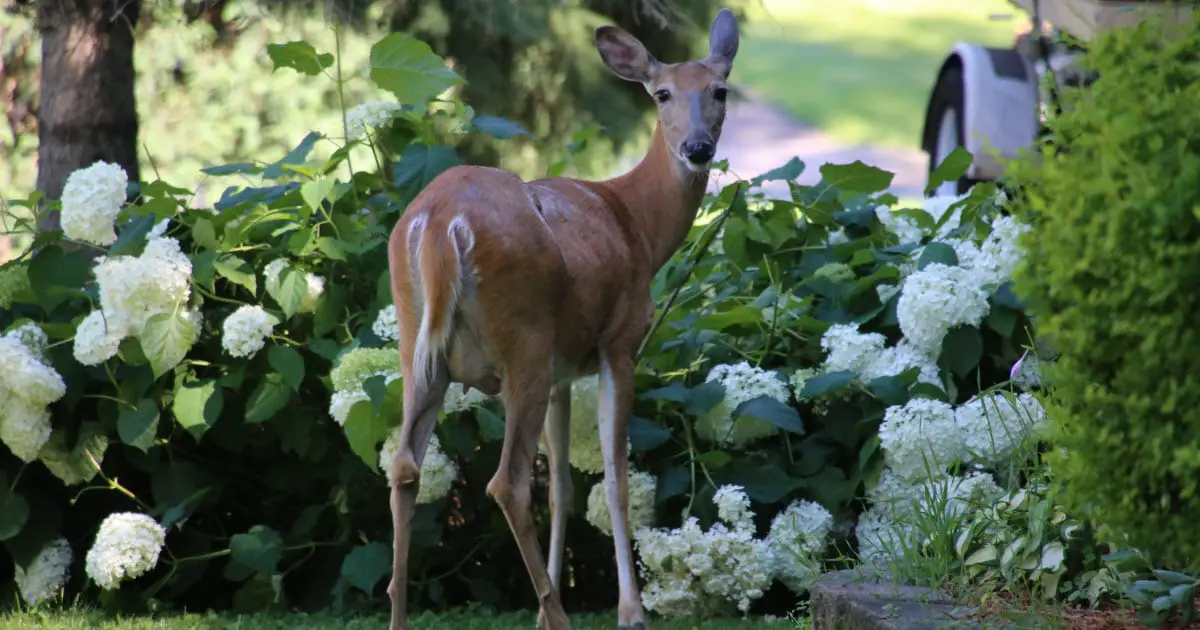
- Deer eating hydrangea flowers. This image shows a deer eating the flowers of a hydrangea bush. The flowers are already starting to fall off, which is another sign that the deer have been eating them.

- Deer eating hydrangea buds. This image shows a deer eating the buds of a hydrangea bush. The buds are still green, but they are starting to wilt.
- Deer eating hydrangea stems. This image shows a deer eating the stems of a hydrangea bush. The stems are already starting to look dry and dead.
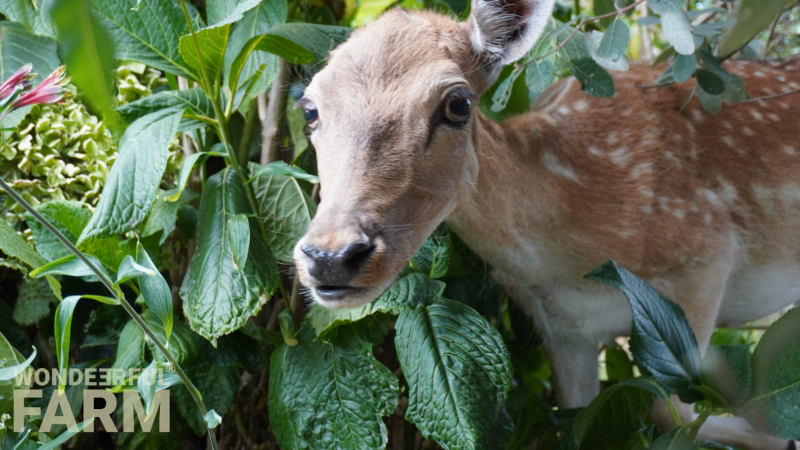
- Deer standing next to a hydrangea bush that has been eaten. This image shows a deer standing next to a hydrangea bush that has been eaten. The leaves and flowers of the bush are all gone, and the stems are starting to look dry.


Post a Comment for "Deerproof Your Hydrangeas: Ways To Keep These Beautiful Blooms Safe From Deer"