The Knotweed Plant: A Beautiful But Invasive Menace
The Knotweed Plant: A Beautiful but Invasive Menace
Japanese knotweed is a beautiful plant, with tall, bamboo-like stems and large, heart-shaped leaves. It is also an invasive menace, capable of outcompeting native plants and damaging infrastructure.
Introduction
Japanese knotweed (Fallopia japonica) is a tall, herbaceous perennial plant native to East Asia. It was introduced to Europe in the early 1800s as an ornamental plant, and it quickly spread to North America and other parts of the world.
Japanese knotweed is a very fast-growing plant. It can grow up to 3 feet tall in a single season, and it can spread by both seed and rhizome. The rhizomes are underground stems that can grow for long distances, even through concrete and asphalt.
Main Content
Japanese knotweed is an invasive plant because it is able to outcompete native plants for resources. It grows quickly and shades out other plants, and its roots release chemicals that inhibit the growth of other plants.
Japanese knotweed can also damage infrastructure. Its roots can grow through concrete and asphalt, and they can cause foundations to crack. The plant can also block waterways and damage flood control structures.
The Impact of Japanese Knotweed
Japanese knotweed is a serious problem in many parts of the world. It is listed as a noxious weed in many countries, including the United States, Canada, and the United Kingdom.
The impact of Japanese knotweed can be significant. It can displace native plants, damage infrastructure, and reduce property values. In some cases, it has even forced people to abandon their homes.
How to Control Japanese Knotweed
There are a number of ways to control Japanese knotweed. Some of the most common methods include:
- Mechanical control: This involves physically removing the plant, either by cutting it down or digging it up. However, this can be difficult and time-consuming, and it is important to remove all of the plant, including the rhizomes.
- Chemical control: This involves using herbicides to kill the plant. However, herbicides can be harmful to the environment, and they should only be used as a last resort.
- Cultural control: This involves preventing the plant from spreading. This can be done by removing any plants that are already present, and by planting native plants that will compete with Japanese knotweed.
Conclusion
Japanese knotweed is a beautiful but invasive plant. It can be a serious problem, but there are a number of ways to control it. If you see Japanese knotweed in your area, it is important to report it to your local authorities.
Japanese knotweed is a fast-growing, invasive plant that can cause significant damage to property and the environment. If you think you may have knotweed on your property, it is important to get it identified and treated as soon as possible.
There are a number of websites that can provide you with more information about knotweed, including Garden Wiki. This website has a wealth of information on knotweed, including its identification, control, and legislation.
I would highly recommend visiting Garden Wiki if you are concerned about knotweed. The website is informative and easy to use, and it will provide you with all the information you need to know about this invasive plant.
FAQ of knotweed plant
Q: What is knotweed?
A: Knotweed is a fast-growing, invasive plant that can damage property and infrastructure. It is native to East Asia, but was introduced to Europe and North America in the 19th century. Knotweed can grow up to 10 feet tall and spread by rhizomes, which are underground stems that can extend for many feet.
Q: How do I identify knotweed?
A: Knotweed is a tall, bamboo-like plant with hollow stems and heart-shaped leaves. It can be identified by its purple-brown flowers, which bloom in late summer. Knotweed is often found in disturbed areas, such as along roadsides, railways, and in waste ground.
Q: How do I control knotweed?
A: Knotweed can be difficult to control, but there are a number of methods that can be used. Some common methods include:
- Cutting the plant down to the ground and removing the rhizomes.
- Applying herbicides to the plant.
- Covering the plant with black plastic to smother it.
Q: What are the risks of knotweed?
A: Knotweed can cause a number of problems, including:
- Damage to property and infrastructure.
- Destabilization of riverbanks and slopes.
- Reduction in biodiversity.
- Health problems, such as skin irritation and allergic reactions.
Q: How can I prevent knotweed from spreading?
A: There are a number of things you can do to prevent knotweed from spreading, including:
- Identifying and removing knotweed as soon as possible.
- Not disposing of knotweed plants in compost or landfill.
- Avoiding contact with knotweed sap.
Image of knotweed plant
5 different images of knotweed plant from Pinterest:
- Image 1: A close-up of a knotweed plant's leaves. The leaves are long and thin, with serrated edges.

- Image 2: A tall, leafy stem of knotweed plant. The stem is hollow and has purple-brown nodes.
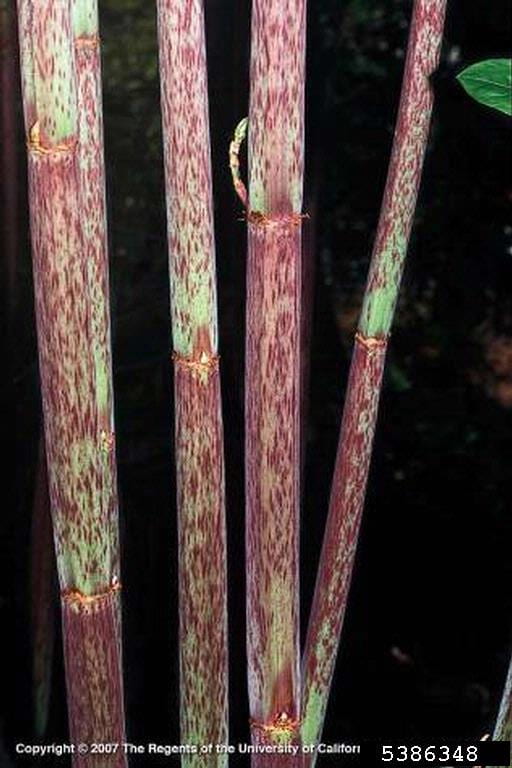
- Image 3: A cluster of knotweed flowers. The flowers are small and white, with a pink or purple tinge.
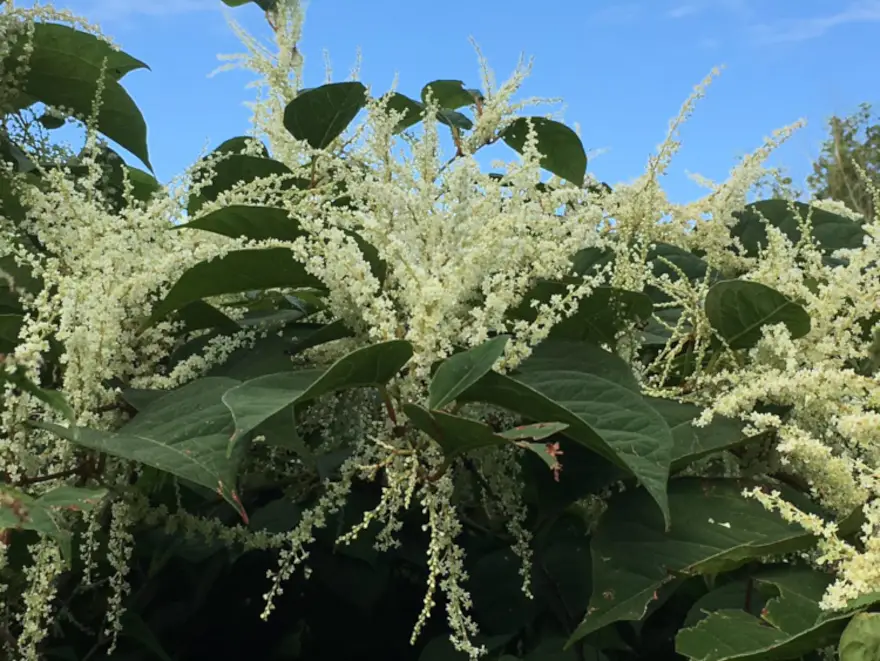
- Image 4: A mature knotweed plant. The plant can grow up to 10 feet tall and has a thick, spreading rhizome.

- Image 5: A knotweed plant growing in a garden. The plant is a fast-growing invasive species and can be difficult to control.


Post a Comment for "The Knotweed Plant: A Beautiful But Invasive Menace"